Category: Uncategorized

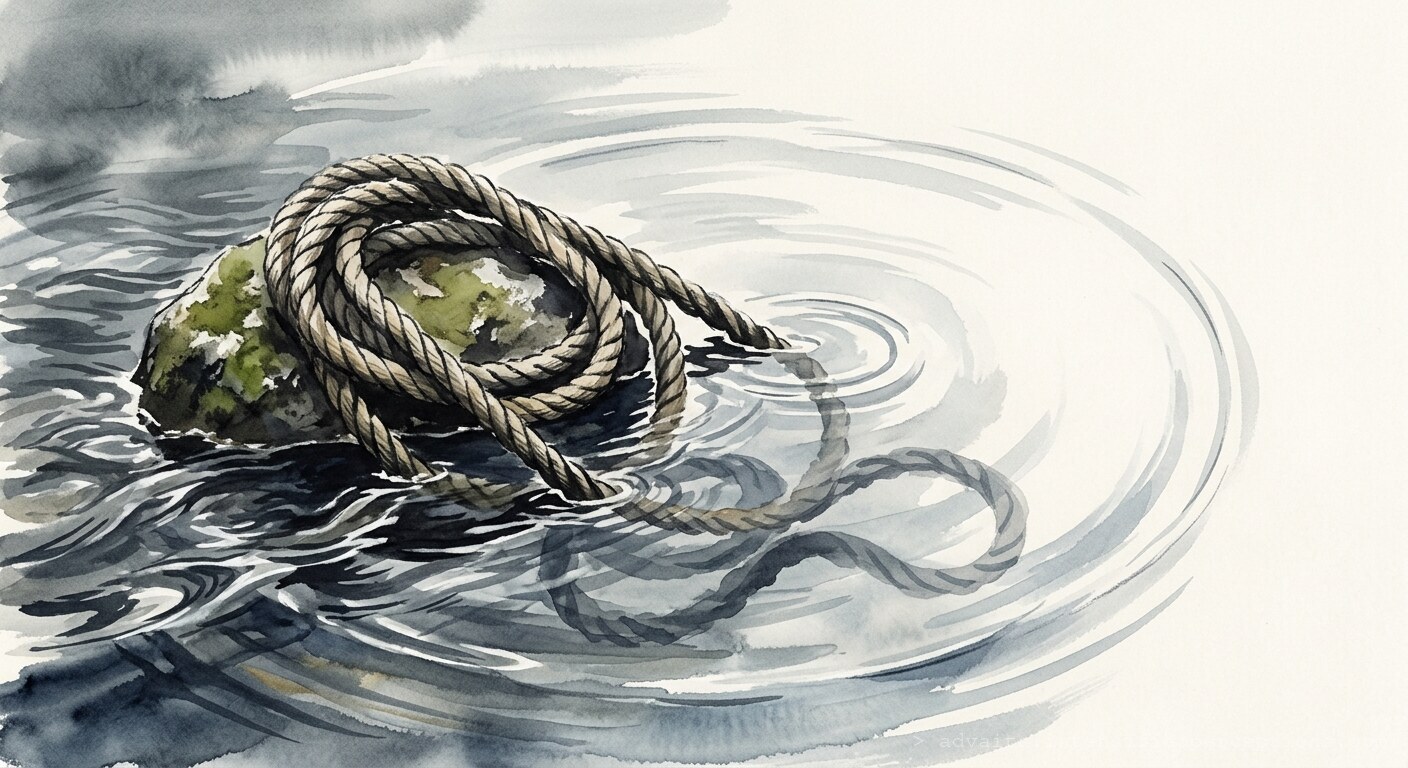
  • The snake never existed; only the rope remains.

    The snake never existed; only the rope remains.

    The snake never existed; only the rope remains.

    Appearance (Nama-Rupa)

    Movement, fear, and form imposed upon the substrate.

    The Witness (Sakshi)

    That which perceives the snake and knows the rope remains untouched by the flicker.

    Classical Analogy

    The rope appears as a snake through ignorance.

    Rope and snake — about this image

    Look at the seeing itself: does the snake exist apart from your perception of it?

    Occasion The snake in the rope.
  • The movement of light does not stain the screen.

    The movement of light does not stain the screen.

    The movement of light does not stain the screen.

    Appearance (Nama-Rupa)

    Images arise, persist, and vanish upon a base that remains untouched by their content.

    The Witness (Sakshi)

    What perceives the beginning and the end of the image remains before, during, and after.

    Classical Analogy

    The screen and the movie.

    Screen and movie — about this image

    Look at the light, not the actors.

    Occasion The film on the screen of silence.
  • The seeker is the sought.

    The seeker is the sought.

    The seeker is the sought.

    Appearance (Nama-Rupa)

    Ten men counting nine, excluding the one who counts.

    The Witness (Sakshi)

    That which confirms the absence of the tenth is the tenth.

    Classical Analogy

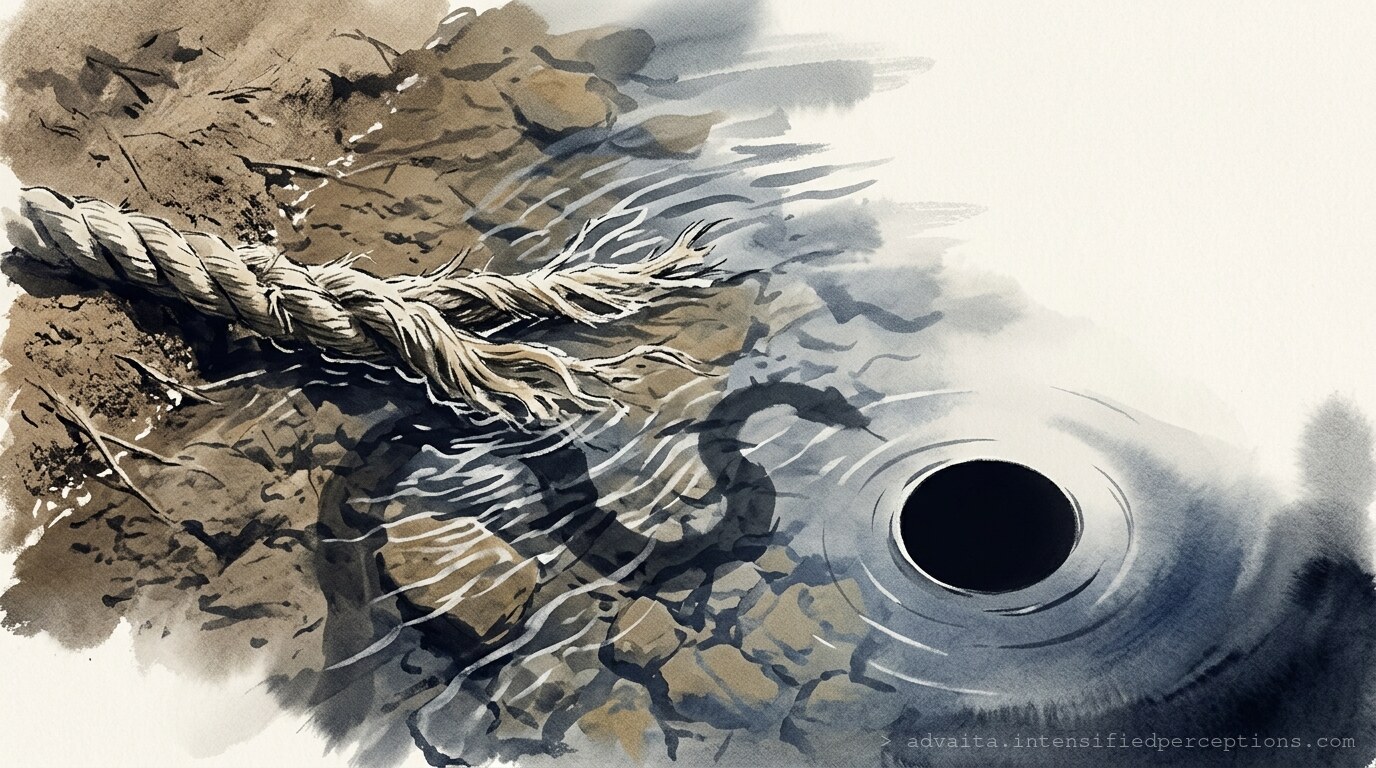
    The rope mistaken for a snake is only the rope.

    Rope and snake — about this image

    Who is the counter of the count?

    Occasion The tenth man.
  • The movement of the spinner and the sense of impatience are both appearances upon the unchanging screen.

    The movement of the spinner and the sense of impatience are both appearances upon the unchanging screen.

    The movement of the spinner and the sense of impatience are both appearances upon the unchanging screen.

    Appearance (Nama-Rupa)

    A flickering image on a surface; a thought of time passing; the feeling of powerlessness.

    The Witness (Sakshi)

    That which perceives the spinner does not wait and cannot be delayed.

    Classical Analogy

    The screen remains untouched by the speed of the movie.

    Screen and movie — about this image

    Who is aware of the waiting?

    Occasion Watching a loading spinner while knowing there is nothing you can do to make it faster.
  • The wait is a movement upon the stillness that is not waiting.

    The wait is a movement upon the stillness that is not waiting.

    Appearance (Nama-Rupa)

    A flickering shape of light perceived against a background, arising and passing in time.

    The Witness (Sakshi)

    That which perceives the spinner does not rotate.

    Classical Analogy

    The screen remains untouched by the flicker of the movie.

    Screen and movie — about this image

    Who remains when the spinner vanishes?

    Occasion Watching a loading spinner while knowing there is nothing you can do to make it faster.
  • The movement of thought forgets its own source.

    The movement of thought forgets its own source.

    The movement of thought forgets its own source.

    Appearance (Nama-Rupa)

    A transition of mental states; a projection of desire into space, then dissolution.

    The Witness (Sakshi)

    What remains unchanged when the reason for entering vanishes?

    Classical Analogy

    The dreamer forgets the dream-goal while the dreamer remains.

    Dream and dreamer — about this image

    Be the silence that precedes the question.

    Occasion That brief moment of confusion when you forget why you entered a room.
  • The sting of praise or blame belongs to the clay, not the gold.

    The sting of praise or blame belongs to the clay, not the gold.

    The sting of praise or blame belongs to the clay, not the gold.

    Appearance (Nama-Rupa)

    Words perceived as sounds, ripples of opinion in the mind, transient names projected upon an act.

    The Witness (Sakshi)

    That which remains untouched by the sound of the judgment.

    Classical Analogy

    The rope is not frightened by the illusion of the snake.

    Rope and snake — about this image

    Who remains when the criticism is forgotten?

    Occasion Getting criticized publicly for something you worked hard on.
  • The cessation of noise is not the absence of the Self, but the revealing of its presence.

    The cessation of noise is not the absence of the Self, but the revealing of its presence.

    The cessation of noise is not the absence of the Self, but the revealing of its presence.

    Appearance (Nama-Rupa)

    Problem and silence are dual movements of thought appearing within awareness.

    The Witness (Sakshi)

    What knows the presence of silence and the absence of the problem?

    Classical Analogy

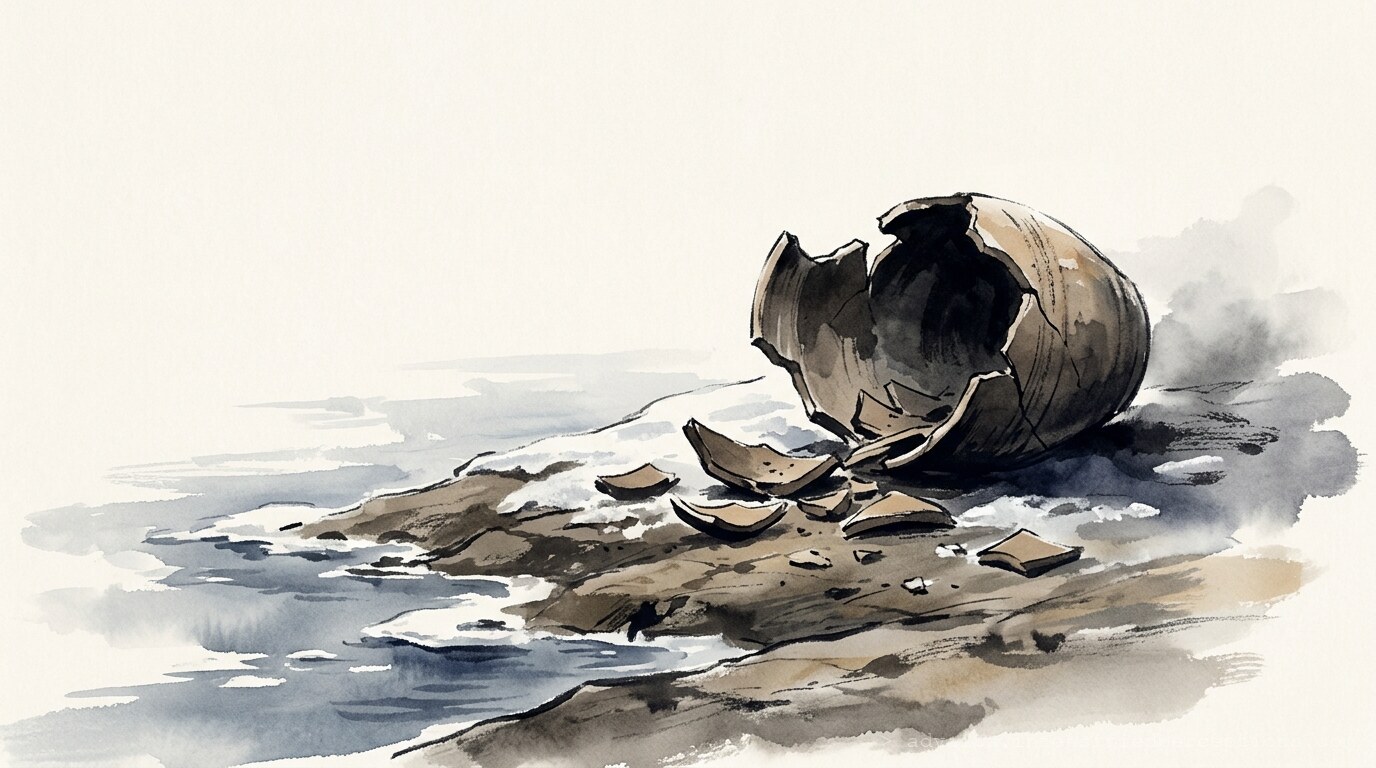
    Like the clay remaining when the pot is shattered.

    Clay and pot — about this image

    Look at that which does not change when the silence ends.

    Occasion “That moment after solving a problem, when there is suddenly silence.”
  • That which sustains the drama remains untouched by the catastrophe.

    That which sustains the drama remains untouched by the catastrophe.

    That which sustains the drama remains untouched by the catastrophe.

    Appearance (Nama-Rupa)

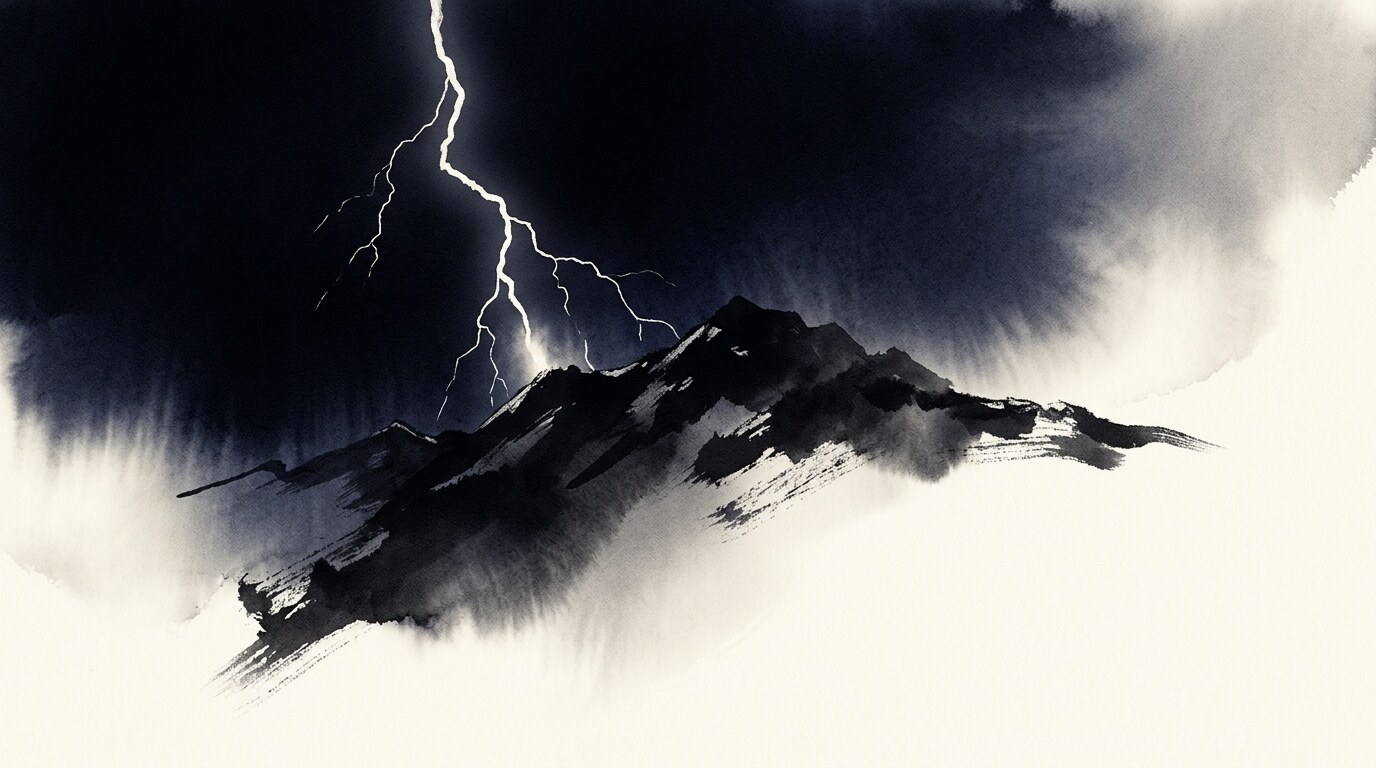
    The fire on the screen is a configuration of light and shadow, possessing name and form but lacking substance. It is a projection within the field of perception, dependent entirely upon the medium it obscures.

    The Witness (Sakshi)

    The witness-consciousness is the silent ground upon which the flickering events play; as the screen is not consumed by the fire it displays, the Atman remains eternally distinct from the movements of the world.

    Classical Analogy

    The screen and the movie.

    Screen and movie — about this image

    Retract the focus from the flickering image to the changeless ground: That which is aware of the fire is the Fireless.

    Occasion The screen and the film: Why the fire on the screen doesn’t burn the screen.
  • That which arises from the Whole returns to the Whole, leaving the Whole undiminished.

    That which arises from the Whole returns to the Whole, leaving the Whole undiminished.

    That which arises from the Whole returns to the Whole, leaving the Whole undiminished.

    Appearance (Nama-Rupa)

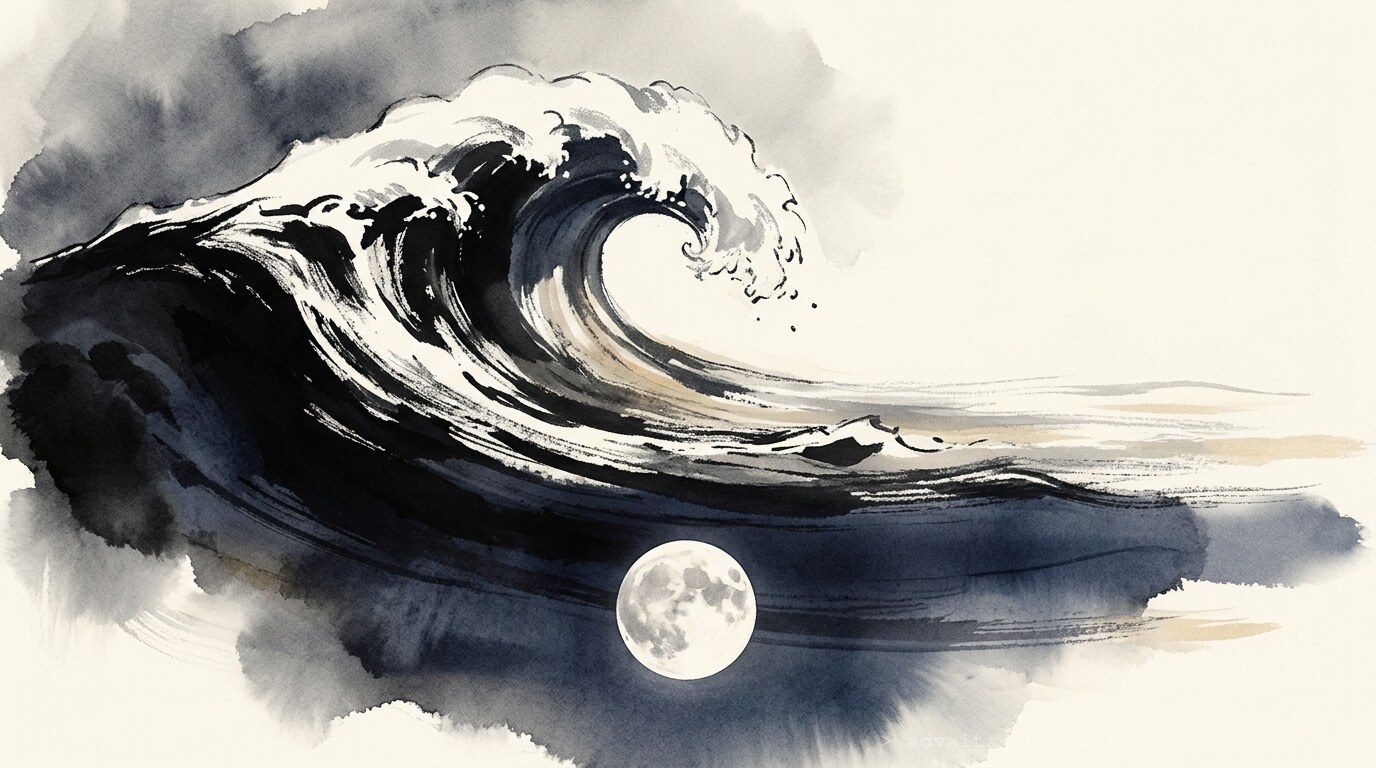
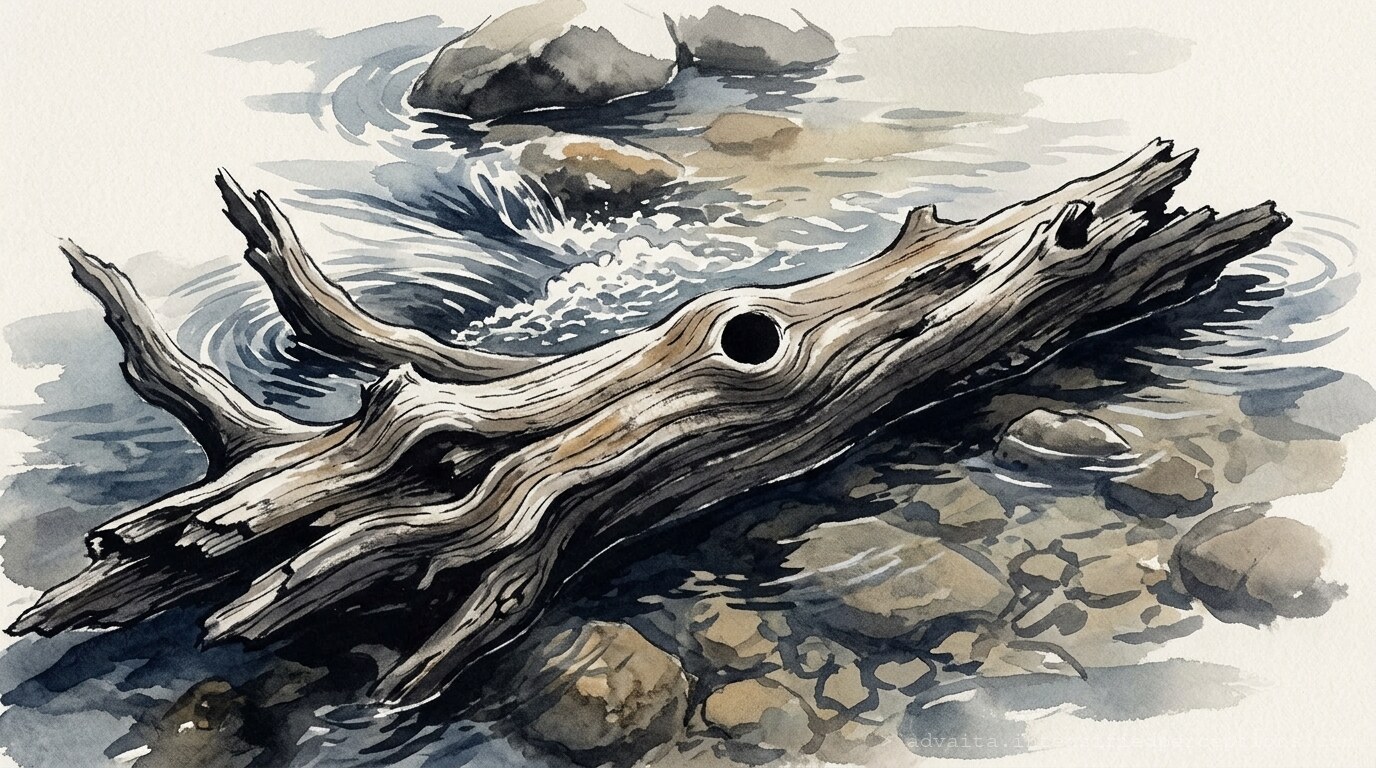
    The wave is but a temporary configuration of water, possessing no existence independent of the river. It is a transient play of name and form, appearing and disappearing within the substrate of the river’s flow.

    The Witness (Sakshi)

    The observer of the wave’s dissolution is not the wave, but the consciousness in which the movement appears; as the wave vanishes, the witness remains, unchanged and untouched by the transition.

    Classical Analogy

    The ocean and the waves.

    Ocean and waves — about this image

    Recognize the dancer in the dance, the Silence beneath the sound; Thou art That.

    Occasion The river does not mourn the wave that dissolves back into itself